Vein Valves Lose Efficiency
Selected one-way valves may stop closing tightly enough to keep blood moving upward.
 EN
Heavy & Tired Legs Evaluation
If your legs feel weighted, tired, or unusually hard to move, the cause may be muscle fatigue, swelling, medication or medical conditions, nerve or artery problems, or venous insufficiency. Texas Vein Experts looks for a vein-related explanation only when the symptom pattern and examination support it.

Heavy feeling ≠ true weakness
Vein testing when the pattern fits
Understand the Sensation
People describe heavy legs as weighted, tired, full, sluggish, or harder to lift than usual. The sensation is a symptom rather than a diagnosis, so the most useful clues are when it appears, what makes it better or worse, and whether strength is actually reduced.
How does the heaviness feel?
A weighted or fatigued sensation can occur even when muscle strength is normal. True weakness means you cannot generate normal force and needs a different evaluation.
When does it become noticeable?
Heaviness that builds after standing or sitting all day differs from symptoms that start predictably with walking, exercise, or a particular back position.
What comes with it?
Ankle swelling, aching, varicose veins, itching, skin changes, numbness, cold feet, or shortness of breath can point toward very different causes.

One Possible Venous Pathway
This pathway applies only when heaviness is connected to venous reflux. Weak vein valves can let blood move backward while you are upright, increasing pressure in the lower legs and contributing to a weighted or fatigued sensation.
Selected one-way valves may stop closing tightly enough to keep blood moving upward.
Gravity can pull some blood back down through the affected superficial vein.
Long periods of standing or sitting can make venous pressure more noticeable in the lower legs.
Aching, ankle swelling, varicose veins, itching, or skin changes may occur alongside the heaviness.
For some patients, the result is a tired, full, or heavy sensation that becomes more noticeable later in the day.
Look for the Pattern Around the Heaviness
No single symptom proves that vein disease is the cause. A venous explanation becomes more plausible when heaviness follows a recognizable pattern and appears with other lower-leg changes.
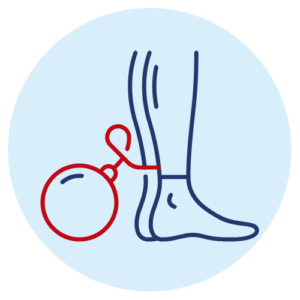
The legs may feel increasingly weighted after hours of standing or sitting and less noticeable after changing position or resting.
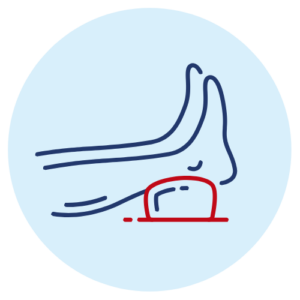
A tired, full, or dragging sensation can become more noticeable by late afternoon or evening.
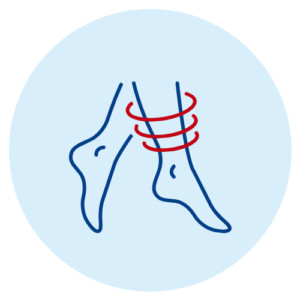
Fluid around the ankles can add tightness or a sense of weight when venous pressure is elevated.
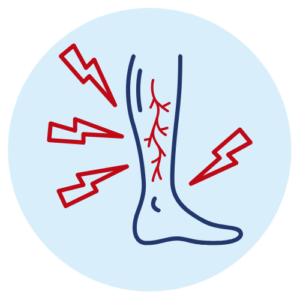
Venous heaviness may occur with dull aching, throbbing, pressure, or cramping rather than isolated weakness.
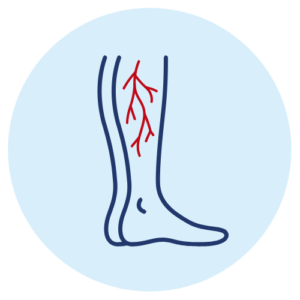
Bulging or rope-like superficial veins can provide another clue that venous reflux may be present.
Lower-leg itching, discoloration, or texture changes can occur in more advanced chronic venous disease.
Heavy legs alone do not diagnose venous insufficiency. The timing, examination, associated symptoms, and venous imaging when appropriate determine whether vein disease is contributing.
Explore Related Symptoms
Possible Causes
Leg heaviness has a broad differential. Some causes are temporary and muscular, while others involve veins, arteries, nerves, fluid balance, medication effects, or broader medical conditions.
Hard exercise, increased activity, or inadequate recovery can make the leg muscles feel tired, stiff, and difficult to move for a period of time.
Long periods without calf movement can slow venous return, while low conditioning can make ordinary activity feel more demanding.
Faulty superficial vein valves can allow reflux and pooling, especially when heaviness occurs with swelling, aching, varicose veins, or skin changes.
Reduced arterial blood flow may cause heaviness, fatigue, or cramping that appears predictably with walking and improves after stopping.
Nerve compression, neurologic problems, or true muscle weakness may cause heaviness with numbness, instability, back symptoms, or loss of strength.
Fluid retention, pregnancy, medication effects, anemia, and heart, kidney, thyroid, or other medical conditions can contribute to heavy or tired legs.
Compare the Clues
The word “heavy” can describe venous pressure, reduced arterial flow, muscle fatigue, or true neurologic weakness. These patterns are clues, not a self-diagnosis tool.
Pattern
Heavy, tired, achy legs that build after prolonged standing or sitting and occur with ankle swelling or visible veins.
Different Vascular Pattern
Heaviness, cramping, or fatigue that appears predictably with walking and improves after a short period of rest.
Different Evaluation May Be Needed
A feeling of reduced strength, unstable legs, numbness, or heaviness linked to back position, exercise, or muscle overuse.
Know When to Act
Recurring leg heaviness deserves evaluation when the cause is unclear, the sensation is getting worse, or it begins to interfere with walking, work, sleep, or normal activity.
Some patterns point away from routine vein care and need a different or more urgent medical assessment.
The Heavy Feeling Keeps Returning
Persistent or progressive heaviness is more useful clinically than a one-time tired feeling after unusual exercise or a long day.
Heaviness Comes With Swelling, Aching or Visible Veins
This cluster can fit a venous pattern, especially when symptoms become more noticeable after prolonged standing or sitting.
Walking Reliably Triggers Heaviness or Cramping
Symptoms that start with walking and improve after stopping can occur with peripheral artery disease and deserve an arterial or cardiovascular evaluation.
Your Legs Are Actually Weak, Numb or Unstable
Difficulty rising, climbing stairs, lifting the foot, or controlling the leg is different from heaviness and may need neurologic, spine, muscular, or other evaluation.
One Leg Suddenly Feels Heavy With Swelling or Pain
Sudden one-sided swelling, warmth, redness, or pain can be a DVT warning pattern. Chest pain, trouble breathing, coughing blood, or fainting can require emergency care.
Your Vein Evaluation
Texas Vein Experts does not treat leg heaviness as a diagnosis. The first goal is to decide whether the pattern fits venous disease and whether duplex ultrasound would add useful information.
Review when the heaviness starts, what makes it better or worse, whether one or both legs are involved, and whether you are describing fatigue or true weakness.
Look for varicose veins, swelling, skin changes, tenderness, and other physical clues that may support or weaken a venous explanation.
If venous disease is suspected, ultrasound can evaluate valve function, reflux, vein anatomy, and other venous findings relevant to treatment planning.
If reflux is confirmed and fits the symptoms, discuss vein treatment. If the pattern points elsewhere, another type of medical evaluation may be more appropriate.
Treatment After Diagnosis
Heavy legs can improve after vein treatment only when abnormal superficial venous flow is genuinely contributing to the symptom. The procedure is chosen from the vein anatomy and ultrasound findings, not from heaviness alone.
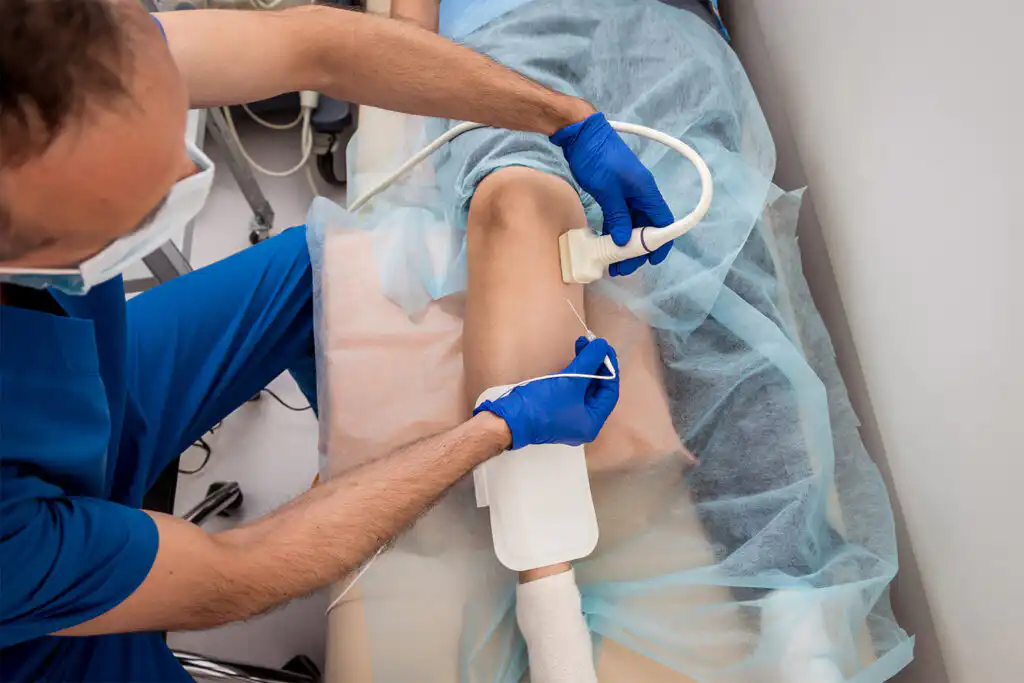
Thermal Catheter Treatment
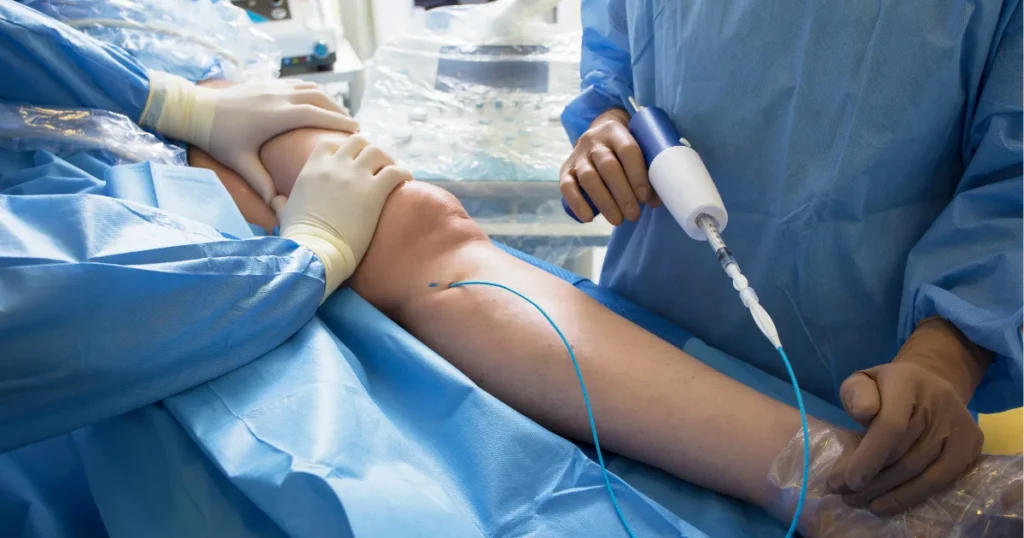
RFA can close a selected refluxing source vein using controlled radiofrequency energy delivered through a small catheter under ultrasound guidance.
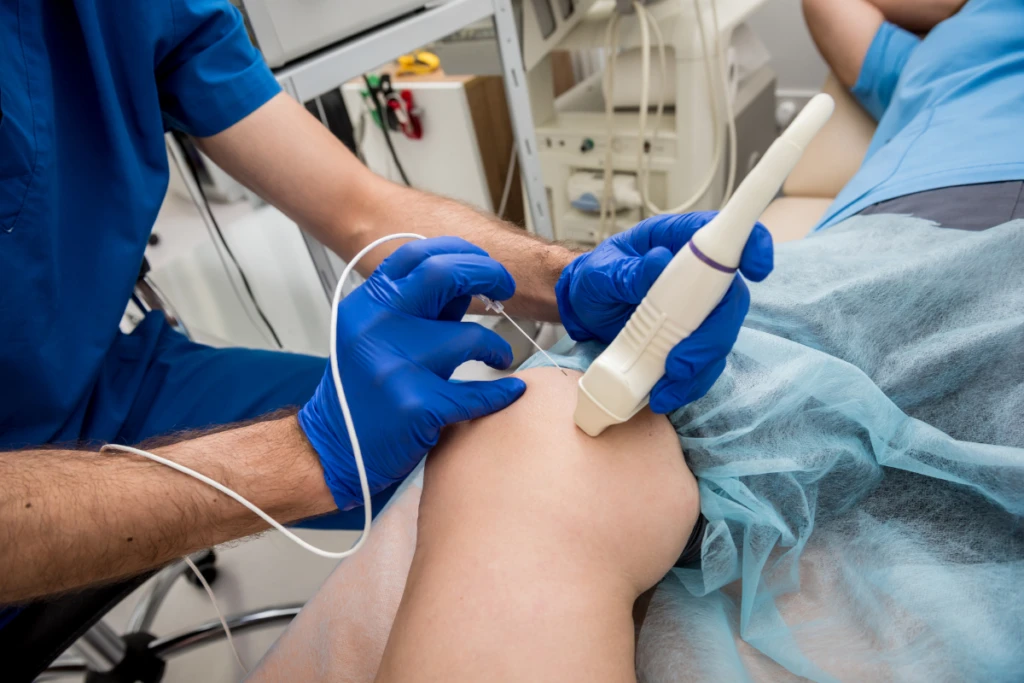
Prescription Microfoam
Varithena uses polidocanol microfoam to treat selected refluxing superficial veins or varicose patterns that may be contributing to pressure, aching, or heavy-leg symptoms.
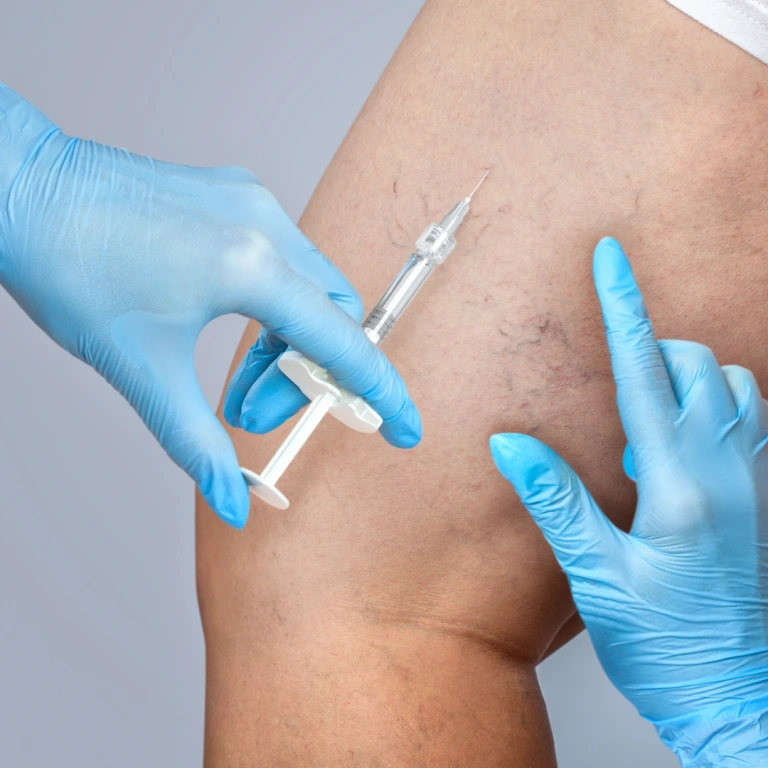
Targeted Injection Treatment
Compounded sclerotherapy is used for selected smaller varicose veins or tributaries and may complement treatment of a larger reflux source when those veins are clinically relevant.
Nonthermal Medical Adhesive
VenaSeal uses a catheter-delivered medical adhesive to close an eligible refluxing superficial vein without applying thermal energy along the treated segment.
No vein procedure can guarantee that a heavy feeling will disappear. If muscles, arteries, nerves, swelling from another condition, or true weakness are contributing, those parts of the symptom will not be corrected by treating superficial venous reflux.
If a Venous Cause Is Confirmed
The experience and symptom response depend on the procedure, the vein pattern, and whether venous pressure is actually responsible for the heavy feeling. Your care team will explain the plan that applies to you.
01
Confirm the Vein and Procedure
Before treatment, the team reviews the ultrasound map, target vein, symptoms, and procedure selected for that anatomy.
Prepare the Access or Injection Site
Preparation varies by treatment. Your team explains comfort measures, positioning, and what will happen before the procedure begins.
Treat the Confirmed Venous Target
The physician treats the selected refluxing vein or tributary rather than treating the sensation of heaviness itself.
02
Follow Procedure-Specific Instructions
Walking, compression when recommended, activity limits, and skin or access-site care depend on the treatment you received.
Notice Change Over Time, Not Instantly
A heavy or tired feeling related to venous pressure may improve gradually. The timing and degree of change vary from patient to patient.
Reassess Persistent Symptoms
Follow-up helps determine whether treated veins are responding as expected and whether remaining heaviness may have another cause.
Insurance & Medical Necessity
Heavy legs alone do not establish medical necessity. Coverage usually depends on a diagnosed venous condition, documented symptoms and findings, plan requirements, and whether the recommended procedure meets the insurer’s criteria.
Document the Symptom Pattern
Record how often the heaviness occurs, how it affects activity, and which associated venous signs are present.
Confirm Venous Findings When Indicated
If the examination suggests vein disease, duplex ultrasound can document reflux and the anatomy relevant to a treatment recommendation.
Check the Plan’s Medical Criteria
The team reviews benefit rules, referrals, prior authorization, conservative-care requirements, and other insurer-specific conditions that are known.
Explain the Financial Next Step
Before a procedure is scheduled, the team can explain the approved pathway and the estimated patient responsibility available from the plan.
Why Texas Vein Experts?
We separate heaviness from true weakness
A weighted sensation, walking-triggered fatigue, swelling-related heaviness, and actual loss of strength do not belong in the same diagnostic bucket.
Duplex ultrasound is used when the venous pattern fits
When the history and examination support a vein-related cause, ultrasound can show whether superficial reflux is present and where it begins.
Four minimally invasive vein options are available when appropriate
RFA, Varithena, compounded sclerotherapy, and VenaSeal can serve different roles after the abnormal vein pattern is identified.
Physician-led care is available across three Texas regions
The TVE physician team serves clinics throughout DFW, Houston, and the San Antonio area, with benefits review available before treatment.
Your Texas Vein Care Team
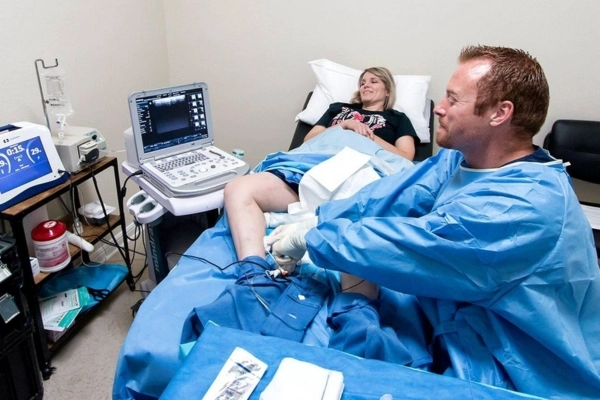
The Texas Vein Experts physician team evaluates venous symptoms across DFW, Houston, and the San Antonio region.
Our Locations
Find a Texas Vein Experts clinic near you in Dallas–Fort Worth, Houston or San Antonio. Open a region to see every location.

Dallas–Fort Worth
9 clinics
Houston
6 clinics
San Antonio
4 clinicsCommon Questions
Clear answers to common patient questions about possible causes, when to get checked, vein evaluation, and treatment options.
Legs can feel heavy because of muscle fatigue, prolonged standing or sitting, swelling, chronic venous insufficiency, peripheral artery disease, nerve or spine problems, medication effects, pregnancy, anemia, or other medical conditions. The pattern and associated symptoms matter more than the word “heavy” by itself.
Heaviness and weakness are not the same. A heavy sensation can occur even when strength is normal. True weakness means the muscles cannot produce normal force, such as difficulty rising from a chair, climbing stairs, or lifting the foot, and it may require a neurologic, muscular, spine, or other medical evaluation.
They can be, but “poor circulation” is not one diagnosis. Venous reflux can cause heaviness that builds while upright, while peripheral artery disease can cause exertional heaviness or cramping during walking. Other non-circulatory causes are also common.
Yes. When faulty vein valves allow blood to move backward and pool in the lower legs, increased venous pressure may contribute to heaviness, aching, swelling, varicose veins, itching, or skin changes. A venous evaluation can determine whether reflux is actually present.
Long periods of standing or sitting can make gravity-related blood and fluid pooling more noticeable. This may happen with simple dependent fatigue or swelling, but a repeated end-of-day pattern with ankle swelling, aching, or varicose veins can fit chronic venous disease.
Heavy or cramping legs that begin predictably with walking and improve after resting can occur with peripheral artery disease. Muscle fatigue, joint problems, nerve compression, and other causes are also possible. Walking-triggered symptoms should not automatically be attributed to the veins.
They can. Symptomatic varicose veins and the reflux that may feed them can occur with a weighted, tired, aching feeling, especially after prolonged time upright. Visible veins alone do not prove that they are the cause of the heaviness.
No. Heaviness describes a sensation of weight, fatigue, fullness, or effort. Weakness describes reduced muscle power. New or progressive weakness, foot drop, falls, or significant numbness needs a different medical assessment.
Yes. Fluid in the lower-leg tissues can create tightness, fullness, and added weight. Venous disease is one possible cause of swelling, but lymphatic, cardiac, kidney, medication-related, and other causes can also produce it.
Yes. Staying in one position for long periods reduces calf-muscle pumping and can allow more blood and fluid to remain in the lower legs. Regular movement breaks may help, but recurrent heaviness with other venous signs still deserves evaluation.
Compression can help selected patients with venous symptoms, but it is not appropriate for everyone and should not be treated as a diagnosis or universal remedy. Significant arterial disease and other medical conditions can change whether compression is safe or useful.
Seek prompt medical assessment for sudden one-sided heaviness with swelling, pain, warmth, or redness because a blood clot is one possible cause. Chest pain, trouble breathing, coughing blood, or fainting can require emergency care. Sudden major weakness or neurologic symptoms also need urgent evaluation.
Not automatically. Duplex ultrasound is useful when the history and examination suggest venous reflux, obstruction, or another venous problem. It evaluates blood flow, valve function, and vein anatomy, but it does not diagnose muscular, neurologic, or systemic causes of heaviness.
It may help when confirmed superficial venous reflux is genuinely contributing to the symptom. Improvement varies, and heaviness caused by muscle fatigue, peripheral artery disease, nerve problems, fluid retention from another condition, or true weakness may remain.
Coverage depends on the diagnosed venous condition, documented symptoms and examination findings, duplex results when required, medical necessity, authorization rules, conservative-care requirements, and the individual insurance plan. Heavy legs alone do not guarantee coverage.
 English English
 Spanish