Vein Valves Lose Efficiency
One-way valves in superficial leg veins may stop preventing backward flow as effectively as they should.

 EN
Tingling, Pins & Needles and Burning Legs
Tingling in the legs can come from temporary nerve pressure, peripheral neuropathy, a spinal nerve problem, reduced arterial blood flow, or other medical causes. Chronic venous insufficiency can also occur with burning, tingling or pins-and-needles sensations, especially when the same legs feel heavy, swollen, itchy, or show visible veins or skin changes.

Nerve causes are common
Vein clues need confirmation
Start by Describing the Sensation
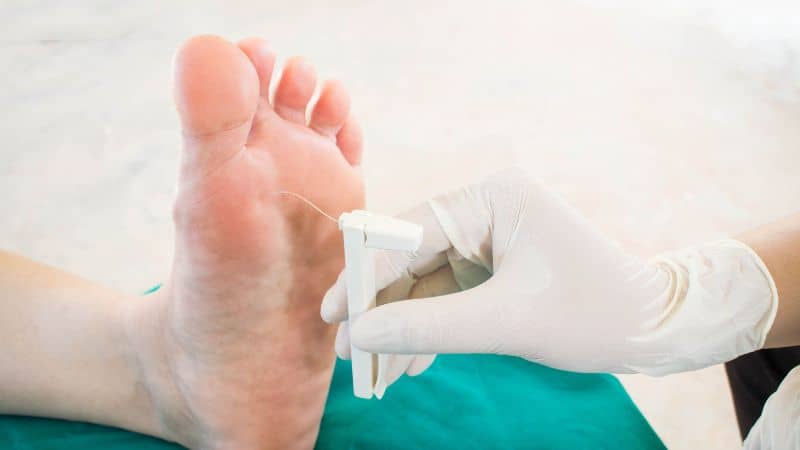
Tingling is a type of altered sensation often called paresthesia. Some people describe prickling, buzzing, crawling, electric shocks, warmth, burning, or partial numbness. These words overlap, but the location and behavior of the symptoms can help narrow the possibilities.
Where does it start?
Feet and toes, the outer thigh, the calf, or a path from the back down one leg can suggest different sources.
Is it one leg or both?
Localized nerve irritation often behaves differently from a symmetric pattern affecting both feet and lower legs.
What brings it on?
Prolonged sitting, walking, standing, nighttime rest, or certain positions can each change the diagnostic picture.
What happens with it?
Weakness, back pain, swelling, cold skin, varicose veins, itching, discoloration, or wounds are important accompanying clues.
When Veins Are Part of the Picture
Chronic venous insufficiency is only one possible explanation. When it is present, burning or tingling usually appears with a broader pattern of venous pressure, swelling, skin irritation, heaviness, aching, or visible veins.
One-way valves in superficial leg veins may stop preventing backward flow as effectively as they should.
Instead of moving efficiently toward the heart, some blood can fall back and collect in superficial veins.
Persistent reflux increases pressure in the lower leg veins, especially during long periods of standing or sitting.
Venous pressure can occur with ankle swelling, itching, skin inflammation, discoloration, aching, or heaviness.
Some people with chronic venous insufficiency report burning, tingling, or pins-and-needles sensations along with these other venous clues.
Look Beyond the Tingling Itself
No single sensation proves vein disease. A venous explanation becomes more plausible when the altered sensation occurs with a recognizable group of lower-leg symptoms.
Burning or tingling that becomes more noticeable after prolonged standing or sitting may deserve attention when other venous symptoms are present.
Swelling later in the day can support a venous pattern, particularly when it occurs in the same leg that feels heavy, achy, itchy, or warm.
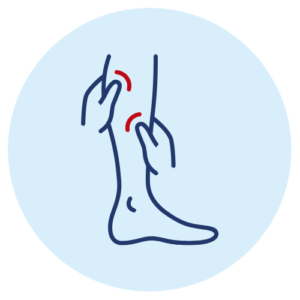
A weighted, tired, throbbing, or pressure-like feeling alongside burning is more consistent with chronic venous symptoms than tingling alone.
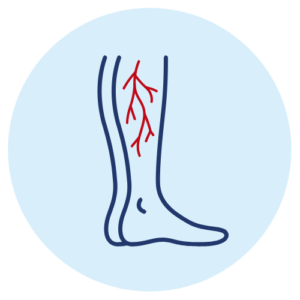
Bulging or twisted superficial veins can provide an additional clue that the leg may have underlying reflux that merits evaluation.
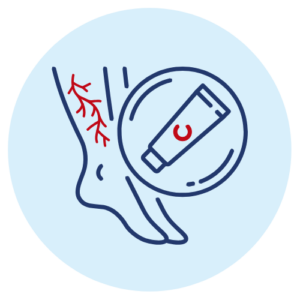
Itchy, irritated, reddish-brown, or thickened skin around the ankle or lower leg can occur with more advanced chronic venous disease.
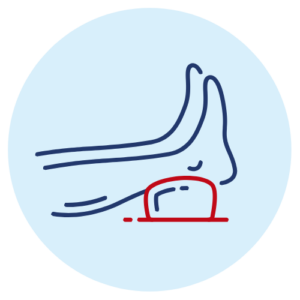
Venous symptoms may feel different after the legs have been elevated or after overnight rest, although this pattern is not specific enough to diagnose a vein problem.
Tingling without venous clues still needs an explanation. Burning or pins-and-needles sensations that occur with numbness, weakness, back pain, cold feet, or a symmetric stocking-like pattern may point more strongly toward nerve or arterial causes.
Explore Related Symptoms
Possible Causes
The symptom can start in nerves, the spine, arteries, veins, or other parts of the body. The cause should be determined from the full pattern rather than from the sensation alone.
Crossing the legs, kneeling, sitting in one position, tight clothing, or an injury can temporarily compress or irritate a nerve and create pins and needles.
Peripheral nerve damage can cause burning, tingling, numbness, electric pain, balance changes, or reduced sensation, often beginning in the feet.
A compressed or irritated nerve in the lower back can send tingling, burning, numbness, or pain down the buttock and into one leg or foot.
Narrowed arteries can reduce blood flow to the legs and may cause walking-related discomfort, numbness, tingling, a colder foot, or slow-healing skin problems.
Venous reflux can occur with burning, tingling, swelling, heaviness, itching, varicose veins, and reddish-brown skin changes in the lower legs.
Diabetes, vitamin deficiencies, kidney or thyroid disorders, alcohol exposure, chemotherapy, and some medicines can affect peripheral nerves and sensation.
Three Different Patterns
The same word can describe very different medical problems. Timing, temperature, swelling, weakness, walking symptoms, visible veins, and skin changes help determine which pathway deserves attention.
Common Sensory Pattern
Neuropathy or nerve compression often produces pins and needles, numbness, burning, electric sensations, or reduced feeling.
Possible Venous Pattern
Venous symptoms are more convincing when tingling or burning occurs with swelling, heaviness, aching, itching, skin changes, or varicose veins.
Different Vascular Pattern
Reduced arterial blood flow may cause tingling or numbness together with walking-related cramping, a colder foot, pale or blue skin, or slow-healing wounds.
Know When the Pattern Needs Attention
Brief pins and needles after sitting on a leg often resolves quickly. Recurrent, persistent, spreading, or unexplained symptoms deserve more attention, particularly when they occur with weakness, circulation changes, or other leg symptoms.
A vein evaluation is most relevant when burning or tingling is accompanied by swelling, heaviness, aching, varicose veins, itching, or lower-leg skin changes.
The Tingling Keeps Returning or Lasts Longer
Persistent, recurrent, or gradually spreading symptoms should not be dismissed as a leg simply “falling asleep.”
Swelling, Heaviness or Visible Veins Occur Too
Burning or tingling becomes more relevant to a vein clinic when the same leg also shows symptoms that fit chronic venous disease.
The Sensation Travels From the Back or Comes With Weakness
Radiating tingling, progressive weakness, numbness, or balance changes may point toward a nerve or spinal problem and need the appropriate medical evaluation.
Walking Triggers Symptoms or a Foot Feels Colder
Walking-related cramping, numbness, a cooler foot, color change, or a slow-healing wound can suggest an arterial circulation problem rather than venous reflux.
The Change Is Sudden or Comes With Red Flags
Sudden one-sided weakness or numbness, trouble speaking, a suddenly cold pale limb, severe progressive leg weakness, or new bladder or bowel-control symptoms can require urgent or emergency medical care.
A Vein Evaluation Answers One Specific Question
Texas Vein Experts does not use venous ultrasound to diagnose neuropathy, sciatica, or peripheral artery disease. The purpose of a vein evaluation is to determine whether a separate venous problem is present when the clinical pattern makes that possibility reasonable.
Review where the tingling starts, whether it affects one or both legs, what triggers it, and whether burning, numbness, weakness, swelling, or other symptoms occur with it.
Examine for varicose veins, lower-leg swelling, skin changes, tenderness, heaviness, and other clinical clues that may support a venous contribution.
If the history and examination suggest venous disease, duplex ultrasound can assess blood flow, valve function, reflux, vein anatomy, and related venous findings.
If reflux is confirmed and fits the broader symptom picture, discuss vein care. If the pattern points elsewhere, another medical evaluation may be more appropriate than a vein procedure.
Only for a Confirmed Venous Problem
If a clinically relevant refluxing vein is identified and the overall pattern supports a venous contribution, Texas Vein Experts may recommend a minimally invasive procedure for that vein. These treatments do not treat neuropathy, sciatica, or arterial disease.
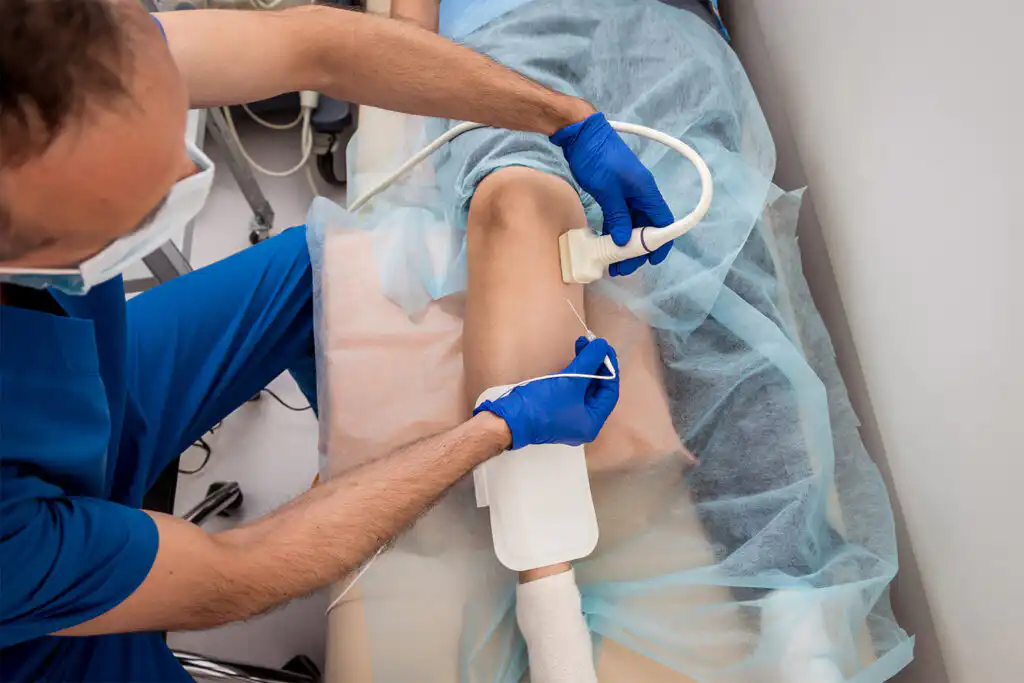
Thermal Catheter Treatment
RFA uses a catheter and controlled radiofrequency energy to close an eligible refluxing superficial source vein that has been identified during the venous evaluation.
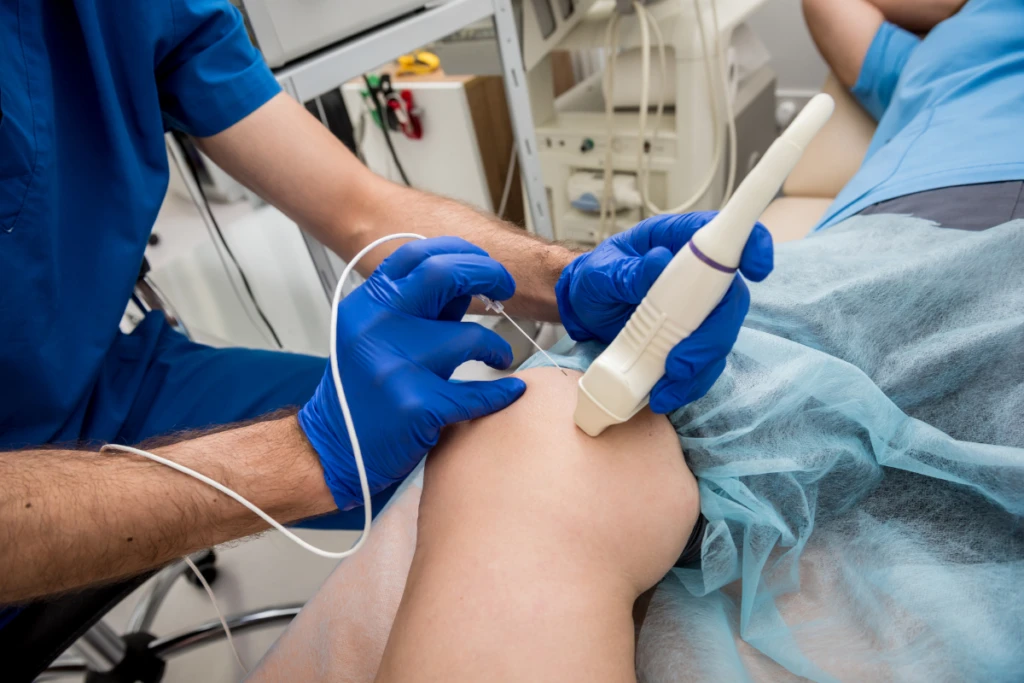
Prescription Microfoam
Varithena uses prescription polidocanol microfoam for selected refluxing superficial veins and associated varicosities when that anatomy fits the treatment plan.
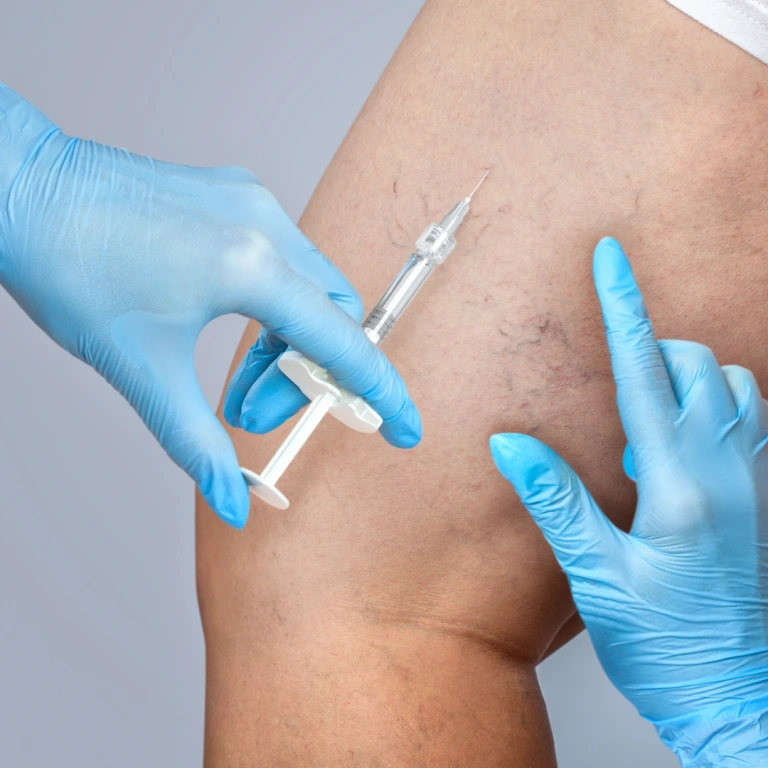
Targeted Injection Treatment
Compounded sclerotherapy may close selected smaller problematic veins or remaining tributaries when those vessels are part of the diagnosed venous picture.
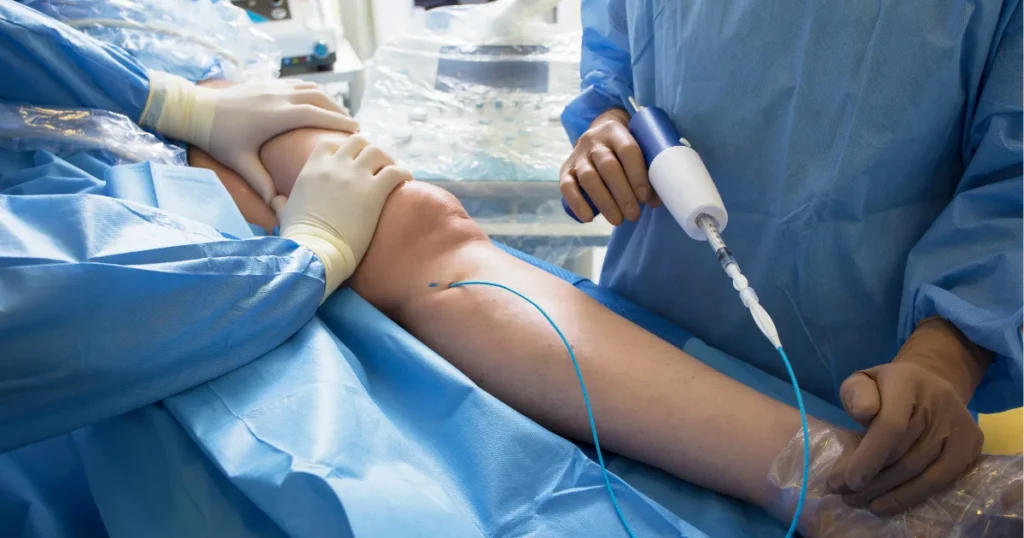
Nonthermal Medical Adhesive
VenaSeal uses a catheter-delivered medical adhesive to close an eligible refluxing superficial vein without applying thermal energy along the treated segment.
The key boundary: tingling or burning is not a reason to choose a vein procedure by itself. Treatment is directed at a documented venous problem that fits the rest of the clinical picture.
Set Expectations Around the Cause
When venous reflux is contributing to the symptom pattern, treating the abnormal vein may improve venous pressure and related discomfort. Sensations caused by neuropathy, sciatica, arterial disease, or another condition can persist independently.
01
Review the Confirmed Venous Target
The team reviews the duplex findings and confirms which refluxing vein the procedure is intended to address.
Prepare for the Selected Technique
Positioning, local comfort measures, and preparation depend on whether the plan uses thermal catheter treatment, microfoam, adhesive, or targeted injections.
Treat the Chosen Vein
The procedure is directed at the diagnosed vein problem rather than at the sensation of tingling or burning itself.
02
Follow Procedure-Specific Aftercare
Activity, compression, medications, and follow-up instructions vary according to the treatment performed and the individual patient.
Watch the Venous Symptoms Over Time
Changes in swelling, heaviness, aching, itching, or burning may occur gradually. Individual response and timing vary.
Reassess Persistent Sensory Symptoms
If tingling, numbness, weakness, or burning remains, another cause may still need evaluation rather than additional vein treatment.
Insurance & Medical Necessity
Insurance does not cover a procedure simply because a leg tingles or burns. Coverage depends on the diagnosed venous condition, documented symptoms and findings, plan rules, medical necessity, and the treatment being proposed.
Texas Vein Experts can review known plan requirements and explain estimated financial responsibility before a procedure is scheduled. Requirements vary by insurer and individual policy.
Clinical Evaluation
Document the symptom pattern and determine whether a vein evaluation is appropriate.
Venous Diagnosis When Present
Use examination and duplex findings to establish whether a treatable refluxing vein is actually involved.
Plan Requirement Review
Check authorization, medical-necessity, conservative-care, network, deductible, and coinsurance requirements when applicable.
Clear Next Steps
Review the treatment plan and known financial responsibility before scheduling care.
Why Texas Vein Experts?
We start with the pattern, not an assumption
Location, timing, weakness, swelling, skin changes, visible veins, and walking symptoms all influence whether a venous explanation is plausible.
Ultrasound is used only to answer the vein question
Duplex imaging can evaluate reflux and venous anatomy when indicated. It is not presented as a test for neuropathy, sciatica, or arterial disease.
Four minimally invasive options serve different vein patterns
RFA, Varithena, compounded sclerotherapy, and VenaSeal are considered only after the abnormal venous anatomy is defined.
The next step can be “not a vein procedure”
If the symptom pattern does not support venous disease, another type of medical evaluation may be more useful than vein treatment.
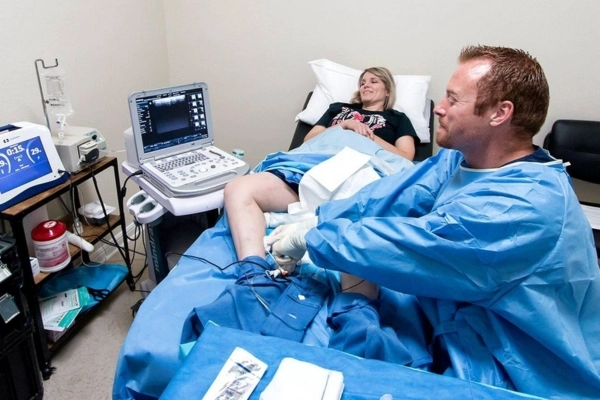
Your Vein Care Team
Texas Vein Experts physicians evaluate the full symptom pattern and use duplex ultrasound when a venous cause is clinically plausible. The goal is to treat documented venous disease, not label every sensory symptom as a vein problem.
Our Locations
Find a Texas Vein Experts clinic near you in Dallas–Fort Worth, Houston or San Antonio. Open a region to see every location.

Dallas–Fort Worth
9 clinics
Houston
6 clinics
San Antonio
4 clinicsCommon Questions
Clear answers to common patient questions about possible causes, when to get checked, vein evaluation, and treatment options.
Tingling can result from temporary nerve pressure, peripheral neuropathy, sciatica or other nerve compression, metabolic conditions, vitamin deficiencies, medication effects, arterial circulation problems, chronic venous insufficiency, and other causes. The pattern and associated symptoms help determine which cause is most likely.
Lower-leg tingling can come from irritated peripheral nerves, a nerve root in the back, reduced arterial circulation, or other medical problems. A venous contribution is more plausible when tingling occurs with lower-leg swelling, heaviness, itching, discoloration, aching, or varicose veins.
Tingling and burning are both altered sensory experiences and can occur together with neuropathy or nerve irritation. Burning can also occur with skin inflammation, injury, arterial problems, or chronic venous disease. The cause cannot be identified from the sensation alone.
Yes, chronic venous insufficiency can be associated with burning, tingling, or pins-and-needles sensations. The connection is more convincing when the same legs also have swelling, heaviness, aching, itching, varicose veins, or lower-leg skin changes. Duplex ultrasound is used to confirm whether venous reflux is actually present.
Symptomatic varicose veins can occur with burning, throbbing, aching, swelling, itching, and other discomfort. Visible veins alone do not prove that they are responsible for a burning sensation, so the rest of the symptom pattern and venous findings matter.
Neuropathy often causes tingling, burning, numbness, electric pain, reduced sensation, or balance changes and may begin in both feet. Vein-related symptoms are more likely to occur with swelling, heaviness, aching, itching, skin discoloration, or varicose veins and may worsen after long periods upright. A clinician should evaluate persistent symptoms rather than relying on one clue.
Yes. Sciatic nerve or spinal nerve-root irritation can cause tingling, burning, numbness, or pain that travels from the lower back or buttock down one leg and sometimes into the foot. That pattern needs a different evaluation from venous reflux.
Nighttime tingling can occur with peripheral neuropathy, nerve compression, restless legs symptoms, and other conditions. Venous discomfort can also be noticeable later in the day, especially when the legs have been upright for hours, but nighttime timing by itself does not identify a vein cause.
It can be. A one-leg pattern may suggest localized nerve or circulation issues, while symmetric symptoms in both feet and lower legs can occur with peripheral neuropathy or systemic conditions. Either pattern can have multiple causes and should be interpreted with the rest of the symptoms.
Yes. Diabetes is a major cause of peripheral neuropathy, which can produce burning, tingling, numbness, pain, reduced temperature sensation, and balance problems, often beginning in the feet. A vein procedure does not treat diabetic neuropathy.
Yes, but “poor circulation” can refer to different systems. Peripheral artery disease reduces arterial blood flow and may cause walking-related pain, numbness, tingling, a colder foot, or slow-healing wounds. Chronic venous insufficiency is a different circulation problem and can occur with burning, tingling, swelling, heaviness, itching, and varicose veins.
Seek urgent or emergency medical care for sudden one-sided weakness or numbness, trouble speaking, a suddenly cold or pale limb, severe progressive leg weakness, or new loss of bladder or bowel control. Sudden one-sided leg swelling, pain, warmth, or redness also needs prompt medical assessment for a possible blood clot.
No. Venous duplex ultrasound evaluates vein blood flow, valve function, reflux, anatomy, and certain venous problems. It does not diagnose peripheral neuropathy, sciatica, or other neurological conditions.
The team reviews where the symptom occurs, what triggers it, whether swelling, heaviness, aching, visible veins, itching, or skin changes are present, and whether the examination suggests a venous pattern. Duplex ultrasound is used when clinically appropriate to determine whether venous reflux is actually present.
Coverage depends on the diagnosed venous condition, medical necessity, documented symptoms and findings, the recommended procedure, and the individual insurance plan. Tingling or burning by itself does not establish medical necessity for a vein procedure.
 English English
 Spanish