Valve Function Weakens
One-way valves may allow backward flow in selected superficial veins.

 EN
Leg & Ankle Swelling Evaluation
Swelling in the feet, ankles, or legs can come from fluid retention, injury, medications, lymphatic problems, heart or kidney conditions, a blood clot, or chronic venous insufficiency. Texas Vein Experts looks for a venous cause only when the pattern, examination, and imaging support it.

Feet, ankles & lower legs
One-sided vs both-sided clues
Start With the Pattern
Swelling can involve the feet, ankles, calves, or an entire leg. The location, timing, whether one or both legs are affected, and what happens when you press the skin can help narrow the possibilities.
Where is the swelling?
Venous swelling often shows around the ankle and lower leg, but other causes can affect the foot, calf, thigh, or both legs.
How quickly did it appear?
Gradual swelling that builds during the day follows a different pattern from sudden one-sided swelling.
What else is happening?
Heaviness, varicose veins, skin changes, shortness of breath, warmth, pain, fever, or recent travel can change what type of evaluation is needed.
One Possible Venous Pathway
This is one possible mechanism, not the explanation for every swollen leg. When venous valves do not keep blood moving upward efficiently, pressure can build and fluid can shift into surrounding tissues.
One-way valves may allow backward flow in selected superficial veins.
Reflux can make it harder for blood to return efficiently against gravity.
Persistent pooling can increase pressure in veins and nearby small vessels.
Higher pressure can encourage fluid to collect in the lower-leg tissues.
Ankles may look puffy, socks can leave marks, and the legs can feel tight or heavy later in the day.
What Swelling Can Look and Feel Like
These are observable swelling patterns, not proof of a venous cause. The combination of timing, location, and other symptoms is more useful than any one sign by itself.
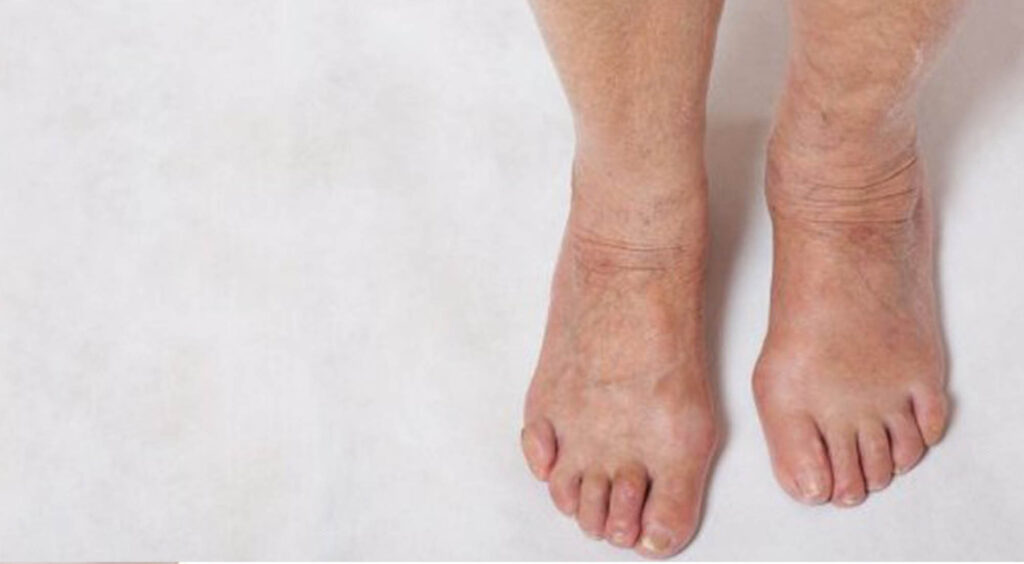
The ankle bones may look less defined, and shoes can feel tighter than usual.
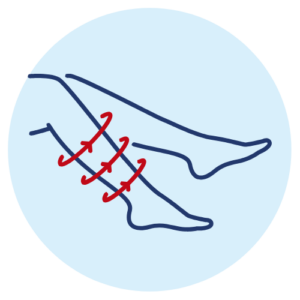
Elastic marks may become deeper or stay visible longer when fluid collects around the lower leg.
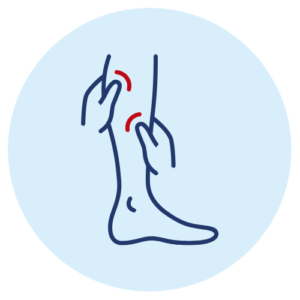
Pressing the skin may leave a temporary dent when the swelling is pitting edema.
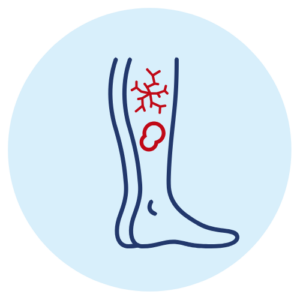
As swelling increases, the skin can feel stretched and appear smoother or shinier.
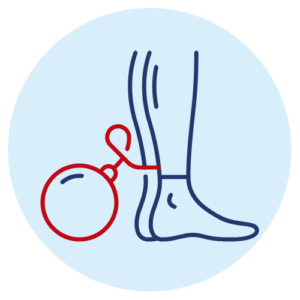
A heavy, tired, or aching feeling can accompany venous swelling, especially after long periods upright.
Swelling that builds with standing or sitting and eases somewhat after elevation can fit a dependent or venous pattern.
Swelling on one side deserves special attention. Sudden one-sided swelling with pain, warmth, or redness should be assessed promptly rather than assumed to be chronic vein disease.
Explore Related Symptoms
Possible Causes
Leg swelling has a broad differential. Some causes are temporary, some are chronic, and some require urgent medical attention. A vein clinic should not assume the cause from appearance alone.
Faulty vein valves can allow reflux and increased venous pressure, contributing to ankle and lower-leg swelling.
When lymphatic drainage is impaired, protein-rich fluid can accumulate and lead to persistent swelling and tissue changes.
A clot or other venous blockage can cause new one-sided swelling and may be accompanied by pain, warmth, or redness.
Systemic fluid-balance problems can cause swelling in both legs and may occur with shortness of breath, weight change, or other symptoms.
Sprains, fractures, cellulitis, arthritis, and other local problems can produce painful swelling in one area or limb.
Pregnancy, certain medications, prolonged sitting or standing, heat, and excess sodium can contribute to lower-leg edema.
Compare the Clues
These patterns can overlap. They are meant to show why the onset, side, skin findings, and associated symptoms matter before deciding whether a vein evaluation is the right next step.
Possible Venous Pattern
More suggestive when swelling builds after standing or sitting and occurs with heaviness, aching, varicose veins, itching, or skin changes.
Lymphatic / Chronic Edema Pattern
Lymphedema or mixed venous-lymphatic swelling may persist, involve the foot, and gradually change the texture or shape of the limb.
Prompt Medical Assessment
A blood clot, infection, injury, or other acute problem can produce a very different pattern from gradual venous swelling.
Know When to Act
Recurring or persistent swelling should be evaluated when the cause is unclear, especially when it affects daily activity or appears with visible veins, skin changes, pain, or other symptoms.
Some swelling patterns need prompt or emergency medical care rather than a routine vein visit.
The Swelling Keeps Returning or Is Getting Worse
Swelling that repeatedly returns, lasts longer, or begins to limit walking, shoes, or daily activity deserves a medical evaluation.
Swelling Comes With Heaviness, Aching or Visible Veins
This combination can fit a venous pattern, particularly when symptoms build after prolonged standing or sitting.
One Leg Suddenly Becomes Swollen, Painful, Warm or Red
This can be a warning pattern for DVT or another acute problem and should receive prompt medical assessment.
Both Legs Swell With Shortness of Breath or Rapid Fluid Change
Swelling with chest symptoms, breathing difficulty, fainting, or sudden major fluid retention can require urgent or emergency evaluation.
The Skin Starts Leaking, Breaking Down or Becoming Infected
Fluid leakage, a wound, increasing redness, fever, or skin breakdown needs medical attention and evaluation of the underlying cause.
Diagnosis Before Treatment
Texas Vein Experts can evaluate whether venous reflux or obstruction may be contributing. If the pattern suggests a heart, kidney, liver, lymphatic, orthopedic, infectious, or other cause, a different medical evaluation may be more appropriate.
Discuss when it started, one leg or both, travel, injury, medications, prior clots, pregnancy, and other medical conditions.
Assess where the swelling sits, whether it pits, skin changes, varicose veins, tenderness, temperature, and other physical findings.
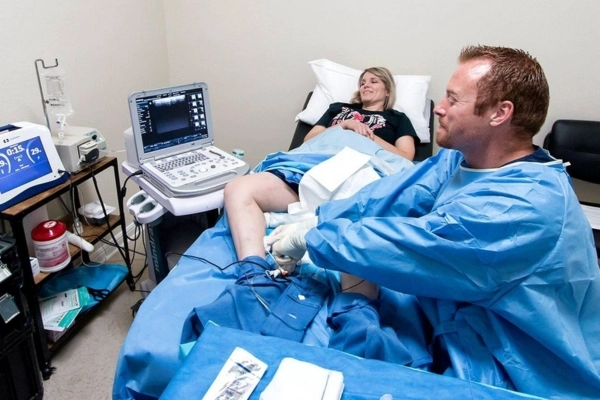
Evaluate venous blood flow, valve function, reflux, obstruction, anatomy, and possible clot when the clinical picture calls for venous imaging.
Review whether vein treatment is appropriate or whether another medical pathway should be considered first.
If Venous Reflux Is Confirmed
Texas Vein Experts does not treat every swollen leg with a vein procedure. When duplex ultrasound confirms a refluxing superficial vein that fits the symptom pattern, one or more minimally invasive techniques may be considered.
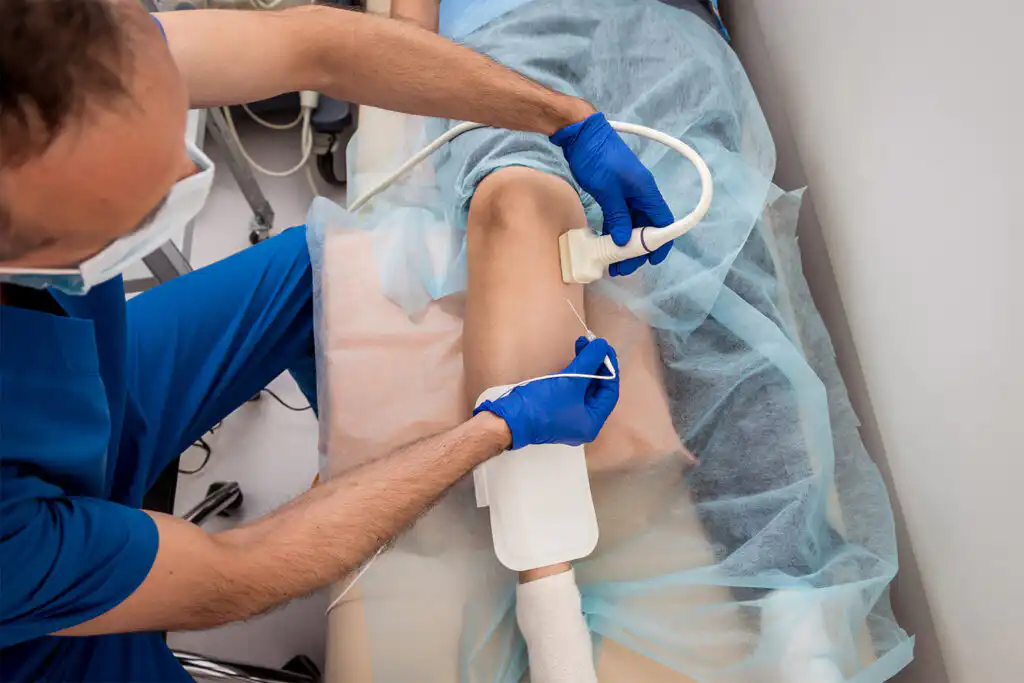
Thermal Catheter Treatment
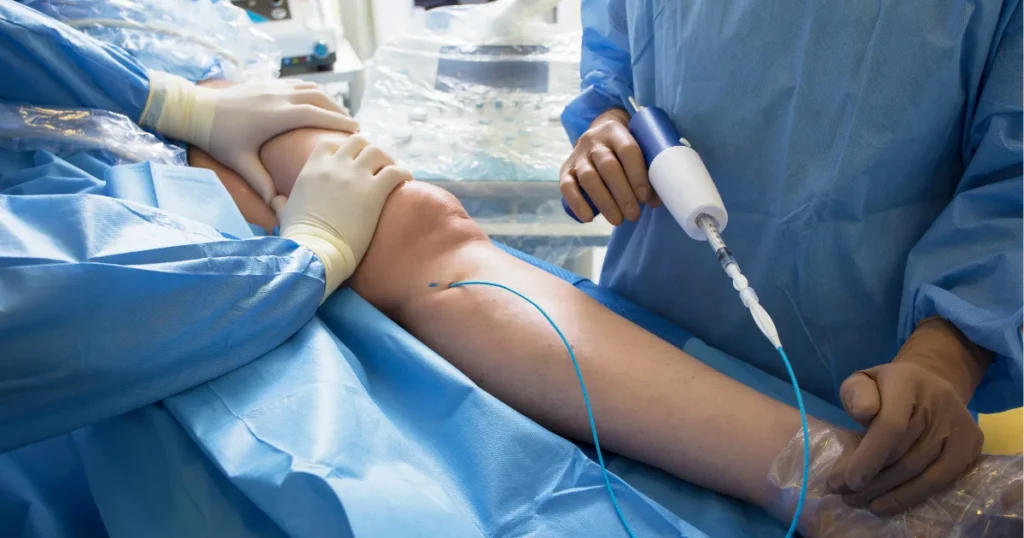
A catheter delivers controlled radiofrequency energy to close an eligible refluxing superficial vein under ultrasound guidance.
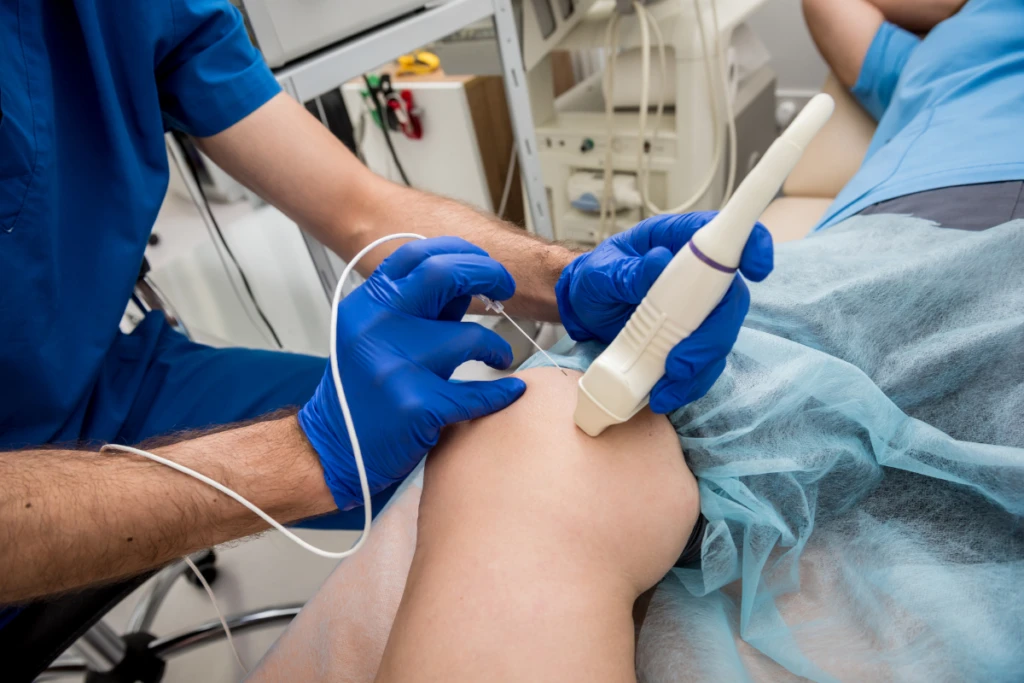
Prescription Microfoam
Polidocanol microfoam can close selected refluxing superficial veins and varicosities when the vein pattern and clinical findings are appropriate.
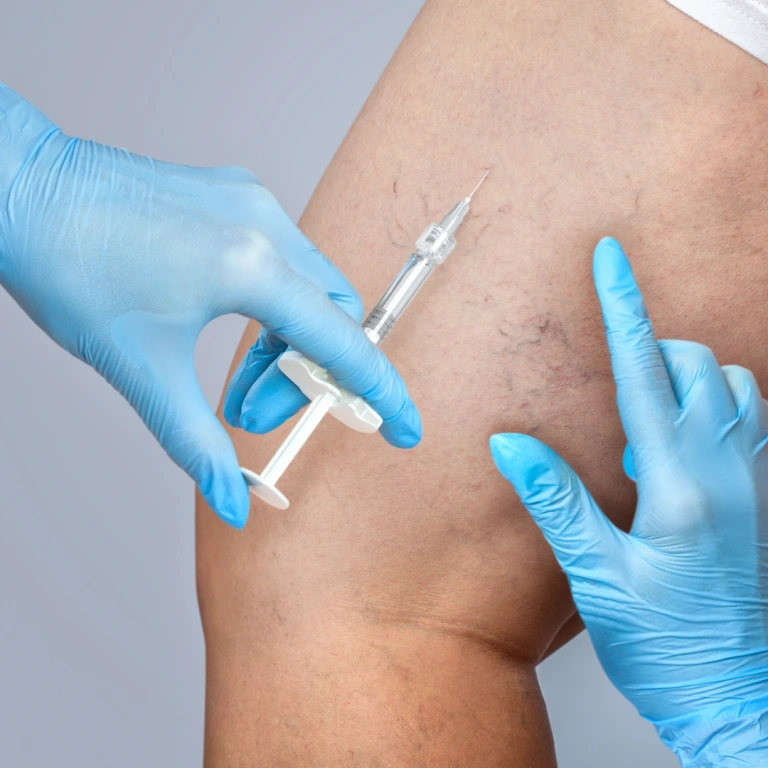
Injection Treatment
A sclerosant can treat selected smaller varicose or tributary veins as part of a broader treatment plan when those veins are clinically relevant.
Nonthermal Medical Adhesive
A catheter delivers medical adhesive to close an eligible refluxing superficial vein without using thermal energy along the treated segment.
Improvement depends on the cause of the swelling. Treating confirmed venous reflux may reduce venous pressure and associated swelling, but swelling from lymphatic, cardiac, kidney, liver, medication, injury, or other causes may persist and needs its own management.
If a Venous Cause Is Confirmed
The procedure is selected for the diagnosed venous anatomy. Swelling may improve gradually, and persistent edema can have more than one contributing cause.
01
Review the Diagnosis and Treatment Plan
Confirm symptoms, duplex findings, target veins, medications, and preparation instructions.
Prepare the Treatment Area
The leg is cleaned and prepared. Comfort measures depend on the selected procedure.
Treat the Selected Vein
The physician treats the diagnosed refluxing or tributary veins rather than swelling as a standalone condition.
02
Follow Procedure-Specific Aftercare
Walking, compression when appropriate, bathing, travel, and activity guidance can differ by treatment and patient.
Watch the Swelling Pattern
Track whether ankle tightness, sock marks, heaviness, or other venous symptoms change over time.
Reassess Persistent Swelling
If swelling remains, the team may consider whether another venous, lymphatic, or medical contributor needs attention.
Medical Necessity & Benefits
Swelling alone does not guarantee coverage. Benefits depend on the diagnosed venous condition, symptoms, examination, duplex findings, medical-necessity criteria, authorization requirements, and the individual insurance plan.
Clinical Evaluation
Document the swelling pattern, associated symptoms, prior care, and examination findings.
Venous Imaging When Appropriate
Use duplex ultrasound to document reflux and vein anatomy when a venous cause is suspected.
Benefits and Plan Requirements
Review referrals, authorization, documentation, conservative-care requirements, and medical-necessity criteria.
Clear Financial Next Steps
Explain the approved pathway and estimated patient responsibility before a procedure is scheduled.
Why Texas Vein Experts?
We look at the full swelling pattern
Onset, one or both legs, associated symptoms, skin findings, visible veins, and medical history all matter before swelling is linked to venous disease.
Duplex ultrasound is used when the venous pattern fits
Imaging can show whether reflux, obstruction, or another venous finding is present and which veins are involved.
Four minimally invasive options support individualized care
RFA, Varithena, compounded sclerotherapy, and VenaSeal can serve different roles when a treatable venous condition is confirmed.
Physician-led vein care across three Texas regions
The TVE physicians serve clinics throughout DFW, Houston, and the San Antonio area, with benefits review before treatment.
Your Texas Vein Care Team
When the swelling pattern suggests possible venous disease, Texas Vein Experts physicians review the clinical findings and determine whether vein-focused testing or treatment is appropriate.
Our Locations
Find a Texas Vein Experts clinic near you in Dallas–Fort Worth, Houston or San Antonio. Open a region to see every location.

Dallas–Fort Worth
9 clinics
Houston
6 clinics
San Antonio
4 clinicsCommon Questions
Clear answers to common patient questions about possible causes, when to get checked, vein evaluation, and treatment options.
Leg swelling can result from fluid retention, chronic venous insufficiency, lymphedema, DVT or other venous obstruction, heart or kidney problems, liver disease, injury, infection, pregnancy, medications, prolonged sitting or standing, and other conditions. The cause cannot be identified from swelling alone.
Ankle swelling is often a form of edema. It may occur after prolonged standing, sitting, heat, pregnancy, or medication use, but persistent ankle swelling can also be associated with venous insufficiency, lymphedema, heart, kidney, or liver conditions.
One-sided swelling can come from venous insufficiency, DVT, lymphedema, injury, infection, or other localized problems. Sudden swelling with pain, warmth, or redness needs prompt medical assessment rather than routine vein care.
The side alone does not identify the cause. New swelling in one leg can have venous, lymphatic, inflammatory, infectious, or injury-related causes. Sudden or painful one-sided swelling should be evaluated promptly.
Yes. When vein valves do not keep blood moving upward efficiently, venous pressure can rise and fluid can collect in the ankle and lower-leg tissues. A duplex ultrasound can help determine whether reflux is actually present.
A possible venous pattern includes gradual ankle or lower-leg swelling that becomes more noticeable after prolonged standing or sitting and occurs with heaviness, aching, varicose veins, itching, or skin changes. These clues do not confirm the diagnosis by themselves.
Not necessarily, but DVT is one important cause of new one-sided swelling. Sudden swelling with pain, warmth, redness, or tenderness deserves prompt medical evaluation. Chest pain, shortness of breath, coughing blood, or fainting can require emergency care.
Pitting edema means pressing the swollen skin leaves a temporary dent. It indicates fluid in the tissues but does not identify the underlying cause. Venous disease, heart or kidney conditions, medications, and other factors can contribute.
Gravity and long periods of standing or sitting can increase fluid accumulation in the lower legs. This pattern can occur with dependent edema and venous insufficiency, especially when swelling improves after elevation.
Varicose veins can occur with chronic venous insufficiency, which may contribute to ankle and lower-leg swelling. Visible veins alone do not prove that the swelling is venous, so the full symptom pattern and clinical evaluation matter.
Elevation may help reduce some forms of dependent or venous swelling, but it does not diagnose the cause. Persistent, sudden, or unexplained swelling should still be evaluated.
No. Compression may help selected patients with venous or lymphatic swelling, but it is not appropriate for everyone. Significant arterial disease and some other medical conditions can change whether compression is safe, so individualized guidance is important.
Not every patient with swelling needs a venous ultrasound. When the history, examination, and associated symptoms suggest venous reflux, obstruction, or clot, duplex ultrasound can evaluate blood flow, valve function, and vein anatomy.
It may help when confirmed venous reflux is genuinely contributing to the swelling. Improvement varies, and swelling caused by lymphatic, cardiac, kidney, liver, medication, injury, or other problems may not respond to vein treatment.
Coverage depends on the diagnosed venous condition, clinical findings, duplex results, medical necessity, authorization requirements, and the individual plan. Leg swelling by itself does not guarantee coverage.
 English English
 Spanish