You Sit or Lie Down
Symptoms usually begin or become more noticeable during inactivity rather than during active walking.

 EN
Restless Legs & Nighttime Leg Discomfort
True restless legs syndrome (RLS) is a neurological condition defined by a strong urge to move the legs, symptoms that begin or worsen during rest, temporary relief with movement, and a pattern that is usually worse in the evening or at night. Vein disease can cause different nighttime leg sensations that sometimes overlap with this pattern, especially when swelling, heaviness, aching, or visible veins are also present.

Classic RLS is neurological
Vein testing only when clues fit

Start With the Pattern
Restless legs syndrome is a sensorimotor disorder. The diagnosis is based mainly on the timing and behavior of the symptoms rather than on one particular sensation. A person can describe crawling, pulling, aching, tingling, or an internal restlessness, but the defining clues are what happens during rest, at night, and after movement.
Is there a strong urge to move?
Classic RLS usually involves an urge that is difficult to ignore, often accompanied by uncomfortable sensations deep in the legs.
Does it begin or worsen during rest?
Sitting through a movie, riding in a car, or lying in bed can bring symptoms on or make them more noticeable.
Does movement help, at least temporarily?
Walking, stretching, or moving the legs often reduces classic RLS symptoms for a short time, but the sensations may return after resting again.
Is the pattern worse in the evening or at night?
A circadian pattern is one of the key clues that separates true RLS from many other causes of leg discomfort.

The Classic Evening Pattern
This five-step sequence describes the classic RLS pattern. Vein-related nighttime discomfort can overlap with parts of it, but the two conditions are not interchangeable.
Symptoms usually begin or become more noticeable during inactivity rather than during active walking.
Crawling, pulling, aching, tingling, or hard-to-describe sensations create a strong need to move.
Classic RLS follows a circadian pattern and tends to be worse later in the day or at night.
Walking, stretching, or moving the legs often reduces the sensations while the movement continues.
After sitting or lying down again, the urge may return and make it difficult to fall asleep or stay asleep.
Recognize the RLS Pattern
People use many words for nighttime leg discomfort. The combination of these clues is more informative than any single sensation.
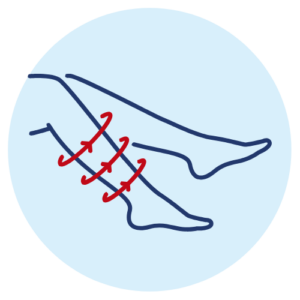
The need to move is a defining feature of RLS and often feels difficult to ignore when the legs are at rest.
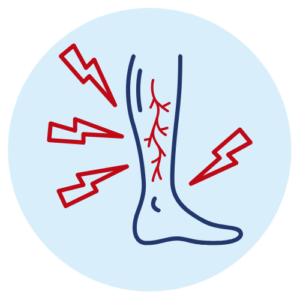
Patients may describe sensations deep in the legs as crawling, creeping, pulling, itching, throbbing, aching, or electric.
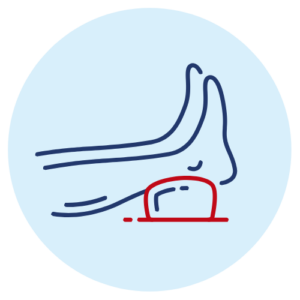
Long periods of sitting, a car or plane ride, or lying in bed can bring symptoms on or make them more noticeable.
Classic RLS tends to be most noticeable later in the day and can interfere with falling asleep or staying asleep.
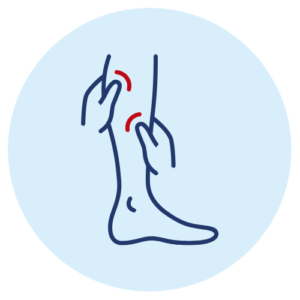
Movement often reduces the discomfort, but the benefit may last only while the legs remain active.

RLS can disturb sleep, and some people also have periodic leg movements during sleep, although the two conditions are not identical.
Not every restless feeling is RLS. Leg cramps, neuropathy, medication effects, swelling, venous discomfort, joint problems, and other conditions can create symptoms that patients also describe as “restless.”
Explore Related Symptoms
Causes & Contributors
Many people with RLS do not have one identifiable cause. Others have factors or medical conditions that can trigger, worsen, or mimic the syndrome.
RLS can occur without another disease and may run in families, particularly when symptoms begin earlier in life.
Iron deficiency can cause or aggravate RLS, which is why blood testing may be part of a neurological or primary-care evaluation.
Hormonal and physiologic changes during pregnancy can trigger or worsen RLS, often most noticeably later in pregnancy.
Chronic kidney disease can occur with RLS and may also be associated with iron or metabolic changes that affect symptoms.
Nerve-related conditions can coexist with RLS or create tingling, burning, and discomfort that need a different workup.
Some medications can worsen RLS, while caffeine, alcohol, nicotine, sleep loss, and other factors may make symptoms more noticeable.
Different Symptoms Can Sound Similar
All three can disturb sleep, but the timing, associated symptoms, and response to movement are different. Those differences help determine what type of evaluation makes sense.
Classic Neurological Pattern
The hallmark is an urge to move that begins or worsens during rest, improves temporarily with movement, and is usually worse in the evening or at night.
Possible Venous Pattern
Venous symptoms may build after prolonged standing or sitting and occur with heaviness, aching, ankle swelling, itching, skin changes, or varicose veins.
Muscle-Cramp Pattern
A cramp is usually a sudden, painful muscle contraction rather than a persistent urge to move. The muscle may feel hard or knotted for seconds to minutes.
Know Which Evaluation Fits
Recurring symptoms deserve attention when they interrupt sleep, keep you from sitting comfortably, or are difficult to distinguish from cramps, neuropathy, or circulatory symptoms.
A vein evaluation is most relevant when restlessness occurs alongside other clues of venous disease. Classic RLS without those clues usually belongs with a primary-care, sleep, or neurological evaluation.
The Symptoms Repeatedly Disrupt Sleep or Rest
Frequent nighttime symptoms, difficulty falling asleep, or an inability to sit through normal activities are good reasons to discuss the pattern with a healthcare professional.
The Pattern Fits Classic RLS
An urge to move that starts at rest, improves with movement, and worsens at night may warrant primary-care, sleep, or neurological evaluation, including review for iron deficiency or other contributors.
Restlessness Comes With Swelling, Heaviness or Varicose Veins
This cluster raises the possibility of a separate venous problem. A vein evaluation can determine whether superficial reflux is present and whether it plausibly contributes to the leg discomfort.
You Also Have Numbness, Weakness or Other Nerve Symptoms
Persistent numbness, progressive weakness, balance changes, or symptoms linked to the back or spine point toward a different medical evaluation rather than routine vein treatment.
One Leg Suddenly Swells, Hurts or Becomes Warm and Red
Sudden one-sided swelling, pain, warmth, or redness can be a blood-clot warning pattern and needs prompt medical assessment. New chest discomfort, shortness of breath, coughing blood, or fainting warrants emergency evaluation.
A Vein Evaluation Has a Specific Purpose
Texas Vein Experts does not use venous ultrasound to diagnose neurological RLS. The goal is narrower: determine whether a separate venous problem is present when the symptom pattern includes signs that make vein disease plausible.
Review when the restlessness starts, whether movement helps, whether symptoms are worse at night, and whether swelling, heaviness, aching, or visible veins occur too.
Look for varicose veins, swelling, skin changes, tenderness, and other findings that may suggest chronic venous disease rather than isolated RLS.
When venous findings are plausible, duplex imaging can map valve function, reflux, flow direction, and the superficial veins involved. The scan does not test for RLS, neuropathy, or other neurological disorders.
A documented reflux pattern may support a vein-treatment discussion. If the clinical picture is more consistent with neurological RLS or another non-venous cause, care should be directed to the appropriate medical pathway.
Only When a Venous Diagnosis Is Confirmed
If duplex ultrasound identifies clinically relevant superficial venous reflux, treatment may be considered for that vein problem. Improvement in nighttime restlessness cannot be guaranteed, and classic neurological RLS may still require separate management.
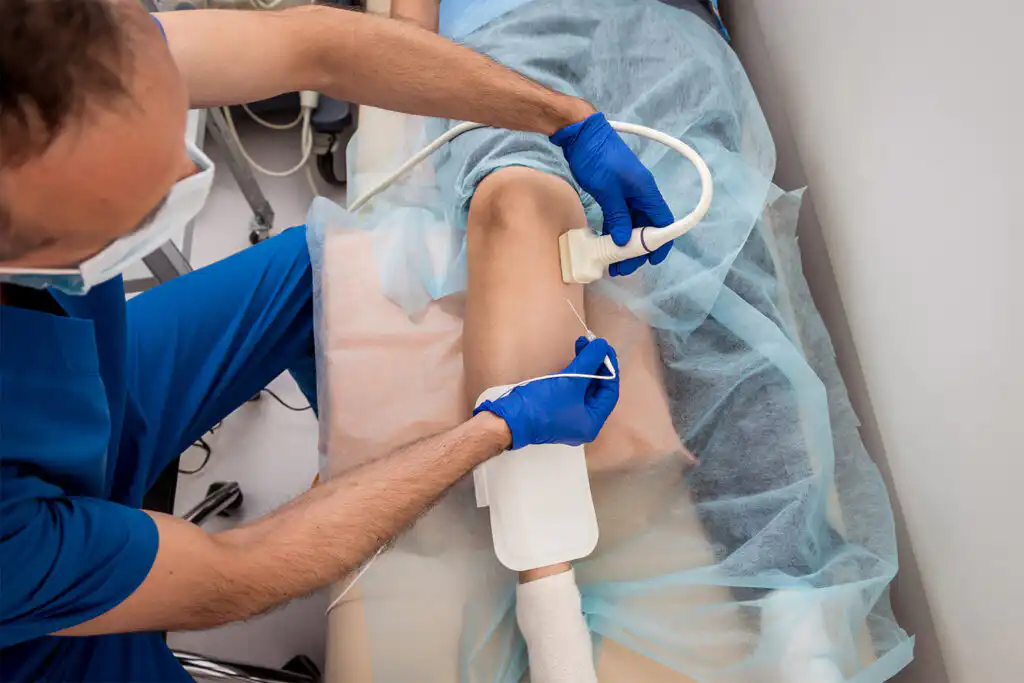
Thermal Catheter Treatment
For selected refluxing source veins, RFA places a catheter inside the affected vein and uses controlled radiofrequency heat to close that venous pathway under ultrasound guidance.
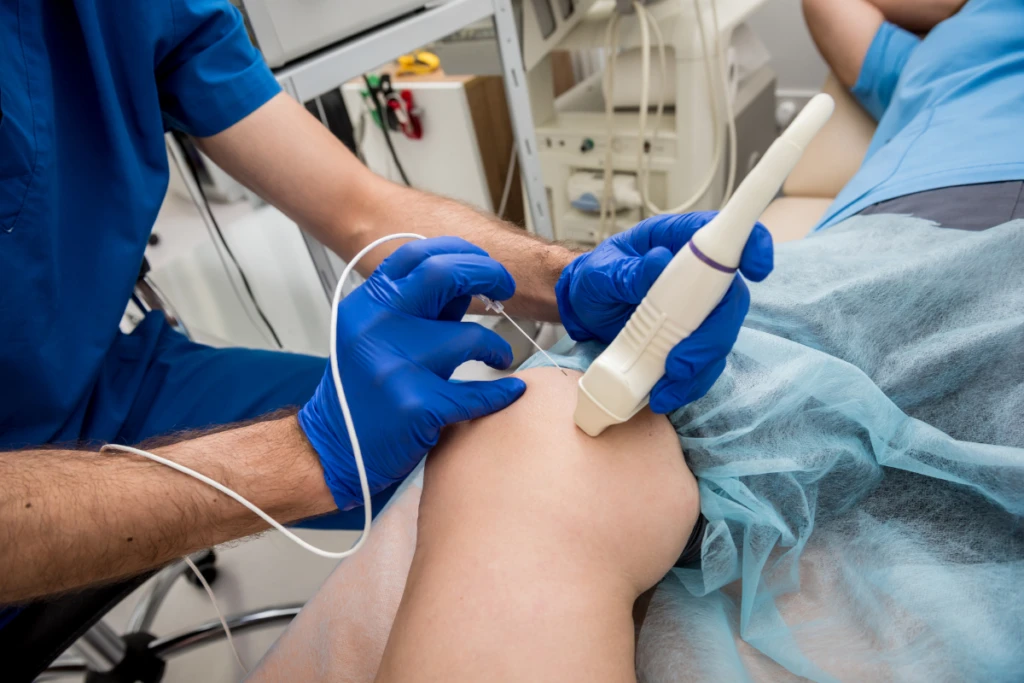
Prescription Microfoam
Varithena uses prescription polidocanol microfoam for selected refluxing superficial veins and varicosities when the diagnosed vein pattern fits the treatment.
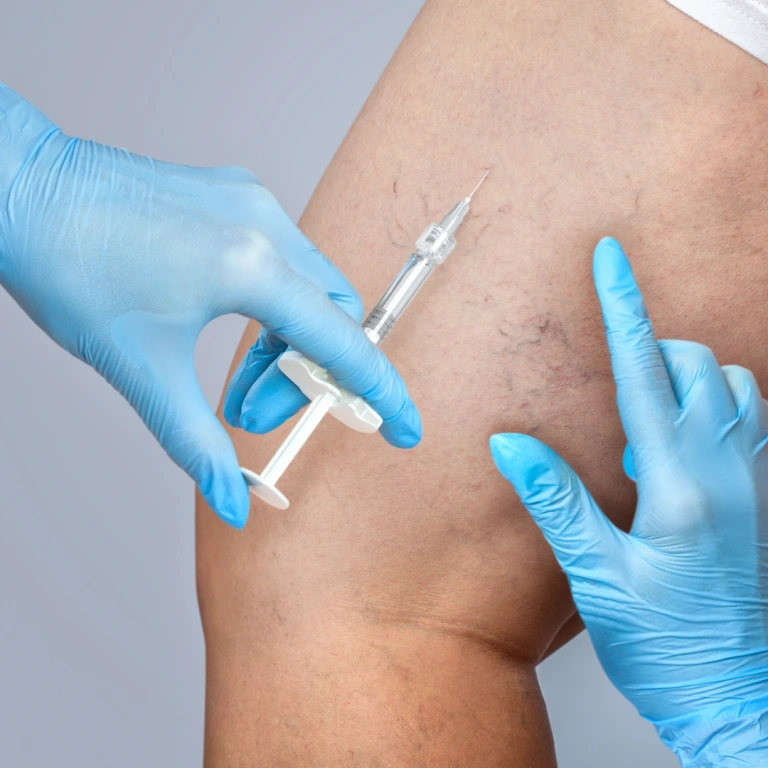
Targeted Injection Treatment
Compounded sclerotherapy can close selected smaller varicose veins or tributaries when those veins are part of the documented venous problem.
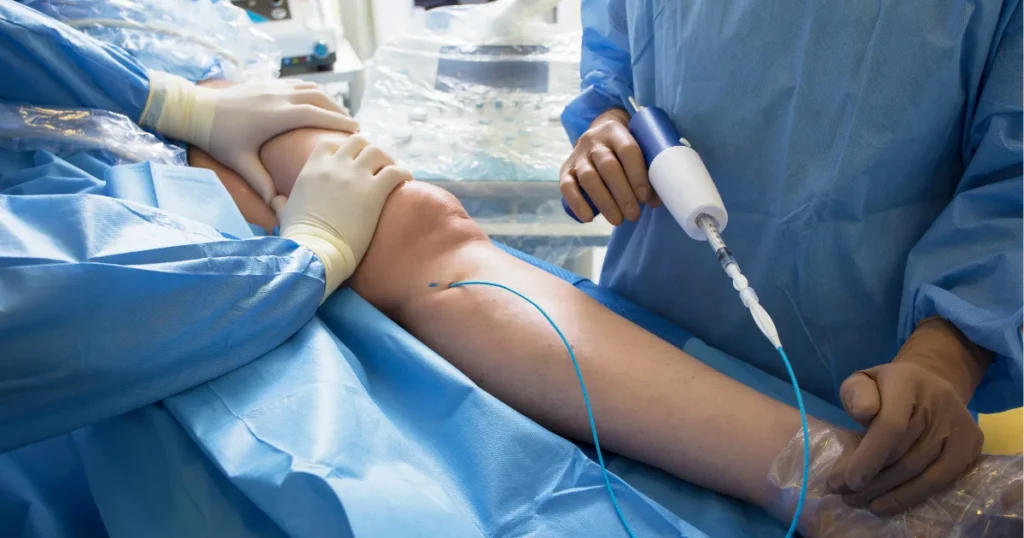
Nonthermal Medical Adhesive
VenaSeal uses a catheter-delivered medical adhesive to close an eligible refluxing superficial vein without thermal energy along the treated segment.
The key distinction: a vein procedure is appropriate only when a venous diagnosis is present. Restlessness by itself is not a reason to choose any of these treatments.
Set the Right Expectations
If venous reflux is part of the overall problem, treating the abnormal vein may improve associated venous symptoms. It does not guarantee that a neurological RLS pattern will disappear.
01
Confirm the Venous Diagnosis
The team reviews the duplex findings and makes sure the planned procedure is addressing a documented vein problem rather than the word “restless” alone.
Prepare for the Selected Procedure
Positioning, local comfort measures, and preparation depend on whether the plan uses catheter treatment, microfoam, adhesive, or targeted sclerotherapy.
Treat the Abnormal Vein
The procedure closes the selected refluxing vein or tributary. It is not a neurological treatment for RLS.
02
Follow Procedure-Specific Aftercare
Your care team explains walking, compression when appropriate, access-site care, activity guidance, and signs that should prompt a call.
Track Venous and RLS-Like Symptoms Separately
Notice whether heaviness, swelling, aching, visible veins, and nighttime restlessness change. Different symptoms may improve at different rates or not at all.
Continue the Right Medical Workup if Needed
If a classic RLS pattern persists despite successful vein treatment, primary-care, sleep, or neurological evaluation may still be appropriate.
Insurance & Medical Necessity
Restless legs or nighttime discomfort alone does not establish medical necessity for a vein procedure. Coverage is tied to the diagnosed venous condition, supporting clinical findings, plan requirements, and the treatment being recommended for that vein problem.
Document the Venous Symptoms and Findings
Record associated aching, swelling, heaviness, varicose veins, skin changes, or other findings that support a medically relevant venous problem.
Confirm Reflux When Clinically Appropriate
Duplex ultrasound can document the affected vein, valve dysfunction, reflux, and anatomy relevant to the proposed treatment.
Review the Plan’s Requirements
Benefits staff can check known authorization rules, conservative-care requirements, referrals, deductibles, and other plan-specific criteria.
Explain the Financial Path Before Scheduling
The team can review the approved pathway and the estimated patient responsibility available from the insurer before a procedure is booked.
Why Texas Vein Experts?
We distinguish classic RLS from vein-related discomfort
Symptoms that start at rest, ease with movement, and worsen at night are interpreted differently from heaviness, swelling, aching, or discomfort that follows a long day on your feet.
Ultrasound is used only to answer a venous question
When the symptom pattern includes venous clues, duplex imaging can show whether superficial reflux is present. It does not diagnose RLS or neuropathy.
Different venous findings may call for different procedures
When reflux is actually present, RFA, Varithena, compounded sclerotherapy, and VenaSeal provide several ways to address different vein sizes, pathways, and treatment targets.
We keep the next step aligned with the findings
If the legs do not show a meaningful venous problem, the appropriate next step may be primary-care, sleep, neurological, or another medical evaluation rather than a vein procedure.
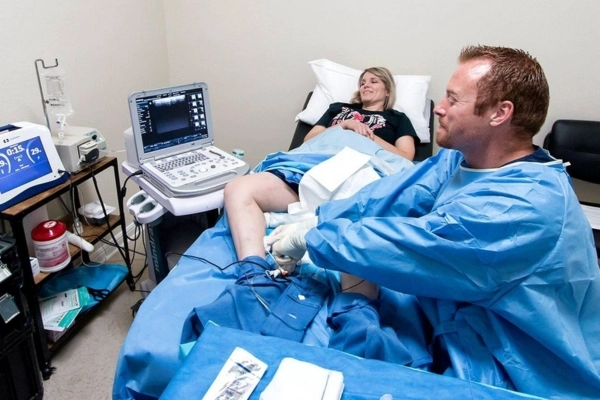
Your Texas Vein Care Team
The TVE physician team evaluates the venous side of overlapping leg symptoms and recommends treatment only when a clinically relevant vein problem is identified.
Our Locations
Find a Texas Vein Experts clinic near you in Dallas–Fort Worth, Houston or San Antonio. Open a region to see every location.

Dallas–Fort Worth
9 clinics
Houston
6 clinics
San Antonio
4 clinicsCommon Questions
Clear answers to common patient questions about possible causes, when to get checked, vein evaluation, and treatment options.
Restless legs syndrome is a neurological condition defined by a strong urge to move the legs, symptoms that begin or worsen during rest, temporary relief with movement, evening or nighttime worsening, and symptoms that are not better explained by another condition.
People describe crawling, creeping, pulling, itching, tingling, aching, throbbing, or electric sensations deep in the legs. The defining feature is usually the urge to move and the way the symptoms behave during rest and movement.
Classic RLS follows a circadian pattern, so symptoms tend to become stronger in the evening or at night. They are also triggered by inactivity, which is why lying in bed can make them especially noticeable.
Temporary relief with movement is one of the defining clues of RLS. Walking, stretching, or moving the legs may reduce the sensations while you are active, but the symptoms can return after you sit or lie down again.
Venous reflux can be associated with nighttime restlessness and other leg discomfort, and some people can have both venous disease and RLS. That does not mean that all RLS is caused by veins. A venous contribution is more plausible when restlessness occurs with swelling, heaviness, aching, varicose veins, itching, or skin changes.
They may coexist with nighttime discomfort when underlying venous reflux is present, especially if the same legs also feel heavy, achy, swollen, or worse after prolonged standing. Visible veins by themselves do not prove that they are causing the restlessness.
A cramp is typically a sudden, painful muscle contraction that feels hard or knotted. RLS is usually an urge to move accompanied by uncomfortable sensations that start during rest and improve temporarily with movement.
Yes. Neuropathy can cause burning, tingling, numbness, electric sensations, or pain that may be confused with RLS. The timing and response to movement are different, and persistent sensory loss or weakness may require a neurologic or other medical evaluation.
Low iron stores can cause or worsen RLS. A primary-care, sleep, or neurological clinician may order iron-related blood tests when the pattern fits RLS. Iron supplements should not be started solely on the basis of symptoms without appropriate medical guidance.
Yes. RLS can begin or worsen during pregnancy, particularly later in pregnancy. Because treatment choices are different during pregnancy, symptoms should be discussed with the appropriate obstetric or medical clinician.
For classic RLS, gentle movement, stretching, a warm bath, massage, consistent sleep habits, and reducing triggers such as caffeine may help some people temporarily. Persistent or frequent symptoms still deserve medical evaluation to look for RLS and possible contributors such as low iron.
Classic RLS is often evaluated by a primary-care clinician, neurologist, or sleep specialist. A vein specialist is most relevant when the restlessness occurs with venous clues such as swelling, heaviness, aching, skin changes, or varicose veins.
No. Duplex ultrasound evaluates veins, including blood flow, valve function, reflux, and anatomy. It can identify a separate venous problem that may be contributing to leg discomfort, but it does not diagnose neurological RLS.
No vein procedure should be presented as a cure for neurological RLS. If venous reflux is confirmed and is contributing to overlapping nighttime symptoms, treating that vein problem may improve the venous component, but improvement in restlessness is not guaranteed.
Coverage depends on the diagnosed venous condition, clinical documentation, duplex findings when required, medical necessity, prior authorization and other plan rules. Restless-leg symptoms alone do not guarantee coverage for a vein procedure.
 English English
 Spanish